The short answer
- Chauffeured car service is priced either as a fixed one-way fare from pickup to drop-off or as an hourly rate with a minimum number of hours.
- The biggest drivers of price are the size of the vehicle, the date and time, the distance, and how long the car waits or how many stops it makes.
- Coaches and other large vehicles are usually quoted because the price depends on the whole day: the schedule, the driver hours and the route.
- The only fair way to compare two quotes is line by line: ask each company what is included, especially gratuity, tolls, parking, fuel and waiting time.
- Unlike app rides, a booked chauffeured fare is set in advance and does not rise with demand at the moment you travel.
Planning this trip? See the price online in a few steps, or talk it through with us any hour.
How chauffeured car service is priced: one-way or hourly
A one-way fare, sometimes called point-to-point, covers one trip: a home to O'Hare, a hotel to a dinner. The company prices the distance and the vehicle, and you know the number before you confirm. It is the right model whenever there is one destination and no reason for the car to stay.
Hourly service rents the car and the chauffeur for time instead of distance. It suits days with several stops, an evening where the car waits outside, or a wedding with a schedule rather than an address. Most companies set a minimum; ours is 2 hours, with unlimited stops in our service area. Some vehicles are neither: they are quoted for the specific trip.
| Model | What you pay for | Best for | Watch for |
|---|---|---|---|
| One-way (point-to-point) | A fixed fare from pickup to drop-off | Airport runs, a single dinner or meeting | Extra stops or long waits added later |
| Hourly | A block of time, with a minimum | Several stops, events, weddings, roadshows | When the clock starts and stops |
| Quoted | A price built for that trip | Coaches, long days, out-of-state trips | What the quote assumes about hours and route |
What moves the price up or down
Across the industry, the same handful of factors set the number. None of them is a trick; each reflects a real cost to the operator. Knowing them helps you see why two quotes for the same evening can differ, and which one is actually cheaper.
The date matters because the supply of cars is fixed. Prom nights, wedding Saturdays and holiday weekends are when every stretch limo and party bus in the area is wanted at once, and those dates fill first. Booking early does not only secure a vehicle; it gives you time to compare quotes properly instead of taking whatever is left.
Distance cuts both ways. A one-way trip to Lake Geneva or South Bend ends far from the garage, and the car still has to come back, so many operators build the return into a long one-way fare; ask whether a quote does. Short city trips are the opposite: the fixed costs of sending a car out matter more than the miles.
| Factor | Why it matters | What to ask |
|---|---|---|
| Vehicle size and type | A coach costs more to run, insure and staff than a sedan | Which exact vehicle, and how many seats |
| Date and time | Peak nights and seasons have more demand for the same cars | Whether the rate or minimum differs on your date |
| Distance and return | Long one-way trips leave the car far from home | Whether the return of the empty car is included |
| Waiting | A waiting car is not available for other trips | How much waiting is free and what follows |
| Stops | Each stop adds time to a one-way ride | Whether a stop changes the fare or calls for hourly |
| Tolls, parking and fees | Toll roads, garages and venue lots charge the vehicle | Whether they are in the total or billed after |
| Gratuity | Practices differ between companies | Whether it is included, added or left to you |
Waiting time and extra stops
Waiting is the most common surprise on a bill. Companies handle it differently: some include a grace period at pickup and bill the time after it, others fold waiting into an hourly rate, so ask how yours works. At the airport we track the flight and include 1 hour of free waiting, which covers a delayed landing, a slow baggage claim or a customs line.
Stops are the second. A one-way fare assumes one pickup and one drop-off, so collecting a colleague on the way or stopping at a store changes the trip. If you know the day has several stops, book it by the hour from the start; with unlimited stops inside the service area, a detour no longer changes the price.

Why coaches and large vehicles are quoted
A sedan trip has few moving parts, so a price can be set instantly. A coach trip is built around a schedule, and the schedule changes the cost. Federal rules limit the driver of a passenger-carrying commercial vehicle to 10 hours of driving, and to no driving after 15 hours on duty, following 8 hours off. A long out-of-state day can need a second driver or an overnight stay, and a quote is how that gets priced honestly.
Local rules add to it. In Chicago, a vehicle seating 10 or more, including the driver, that carries a group on a pre-arranged trip at a fixed rate needs a city charter/sightseeing license, at least $1 million of insurance for vehicles over 10 seats, and a driver with a commercial license and passenger endorsement or a city chauffeur license. The city also charges a ground transportation tax for each day the vehicle works: $6 for 11 to 24 seats and $9 for 25 or more.
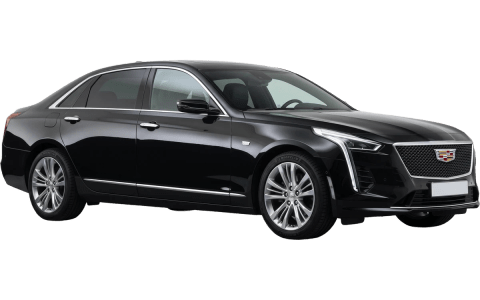
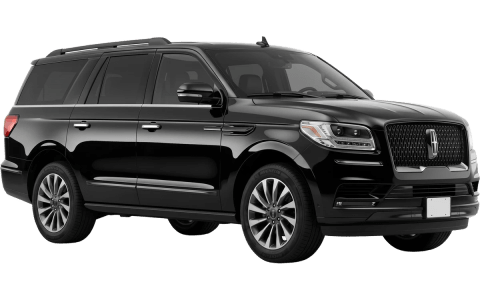
That is why our BMW 7 Series, Mini Coach, Limo Trolley and Motor Coach are quoted, while most other vehicles show a price as you book. Send the date, the times, the stops and the headcount, and the quote is built from them.

Booked fares and app fares
Ride-hailing apps price each trip at the moment you request it. Uber's own explanation of surge pricing says fares rise when requests outnumber available drivers, as in bad weather, rush hour or a big event, and that surge changes quickly and varies by area.
A booked chauffeured fare works the other way: the price is set when you reserve, before anyone knows what the weather or the traffic will be on the day. We do not use surge pricing. For a trip that matters, such as an early flight, a wedding or a client pickup, that predictability is part of what you are paying for.
The comparison is not only about price. An app matches you with whichever driver accepts the request; a booked car is assigned ahead, with a chauffeur who has the flight number, the address and the time before the day starts. For a 5:00 a.m. departure or a group that has to arrive together, that difference matters more than a few dollars either way.
How to compare quotes fairly
Two quotes for the same trip are only comparable when they cover the same things. Put these questions to every company, including us, and ask for the answers in writing. The cheapest headline number is often the one that leaves the most out.
- What is the all-in total, and what could be added after the trip?
- Is gratuity included, added as a set percentage, or left to you?
- Are tolls, parking, airport or venue fees and any fuel surcharge in the total?
- For hourly bookings, does the clock run from your pickup or from the garage, and what is the minimum?
- How much waiting is included, and what does extra waiting cost?
- Which exact vehicle is coming, and how many passengers and bags does it really carry?
- What are the deposit and cancellation terms?
- Is the company licensed and insured for this vehicle, and for a bus crossing state lines, what is its USDOT number?
A worked example: one evening, two ways
Take a dinner in the West Loop followed by a show downtown, four hours from pickup to the ride home. Booked one-way, it is three fares: home to dinner, dinner to the theater, theater to home, with a car hailed or booked for each and nobody waiting outside. Booked hourly, it is four hours of one car and one chauffeur who is at the door each time you walk out.
Which is cheaper depends on the rates, but the comparison is simple once the quotes are itemized: add up the one-way fares and set them against the hourly rate times the hours, with gratuity, waiting and parking treated the same way on both sides. If they are close, the waiting car usually wins on a cold night.